I'm not in Kansas anymore
A few days in Slagelse, Odense, and Horsens.
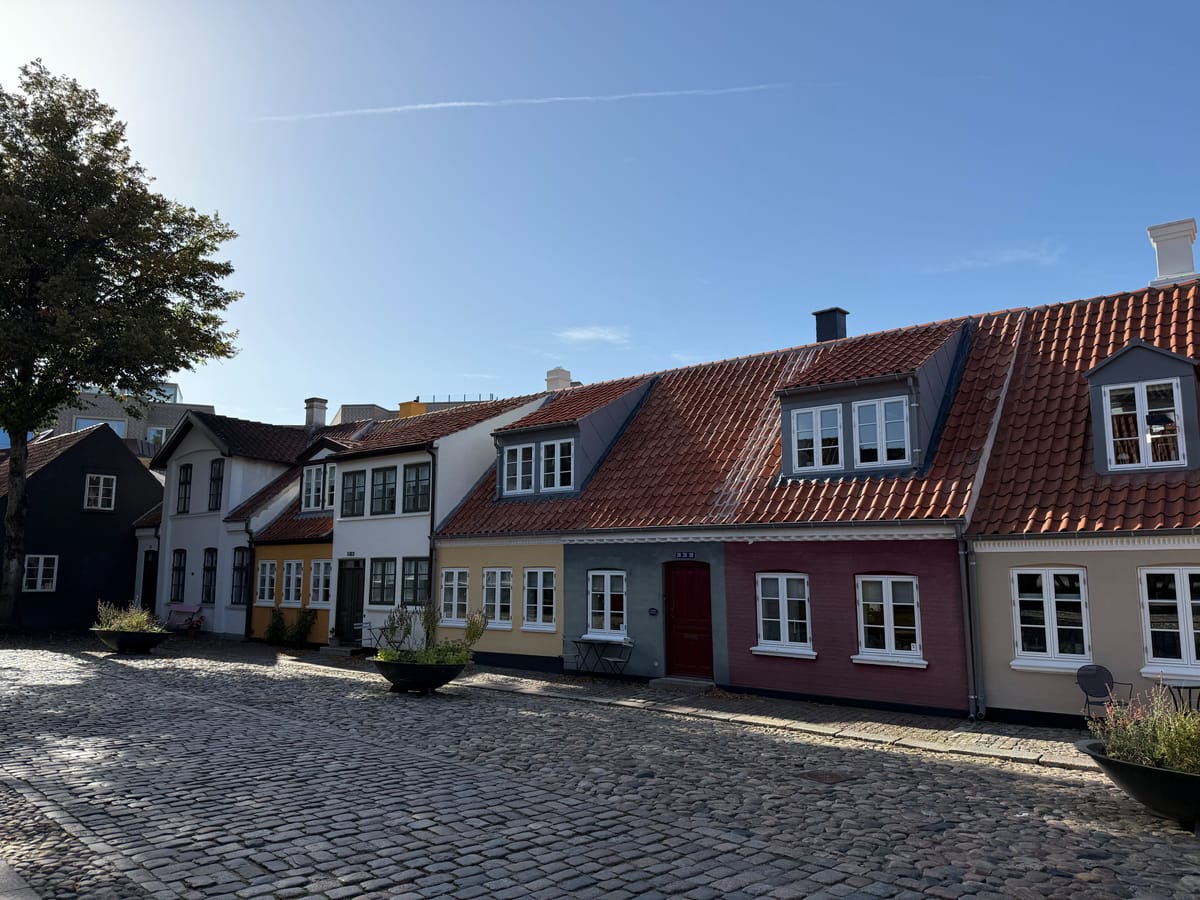
...was my first thought as soon as our bus crossed the bridge, with nothing but water stretching out on either side. Large bodies of water have a stark way of bringing me back to my senses, as if looking at my phone is no longer an option, and and my eyes are magnetically pulled toward the blue.
We spent the morning near the town of Slagelse. About an hour from Copenhagen, our first stop consisted of a visit to a hotel/conference center where we met with a representative of DigiRehab. The space was interesting, to say the least. I'm not sure in the slightest where we were. It appeared to be in the middle of nowhere, which made me wonder why people would ever stay at this hotel. Maybe they do a lot of corporate staff retreats? The sun was beaming down, it was quiet, green space stretched for miles. We spent a couple of hours listening to a presentation focused on what elderly care looks like in Denmark, just one small piece of the welfare system.
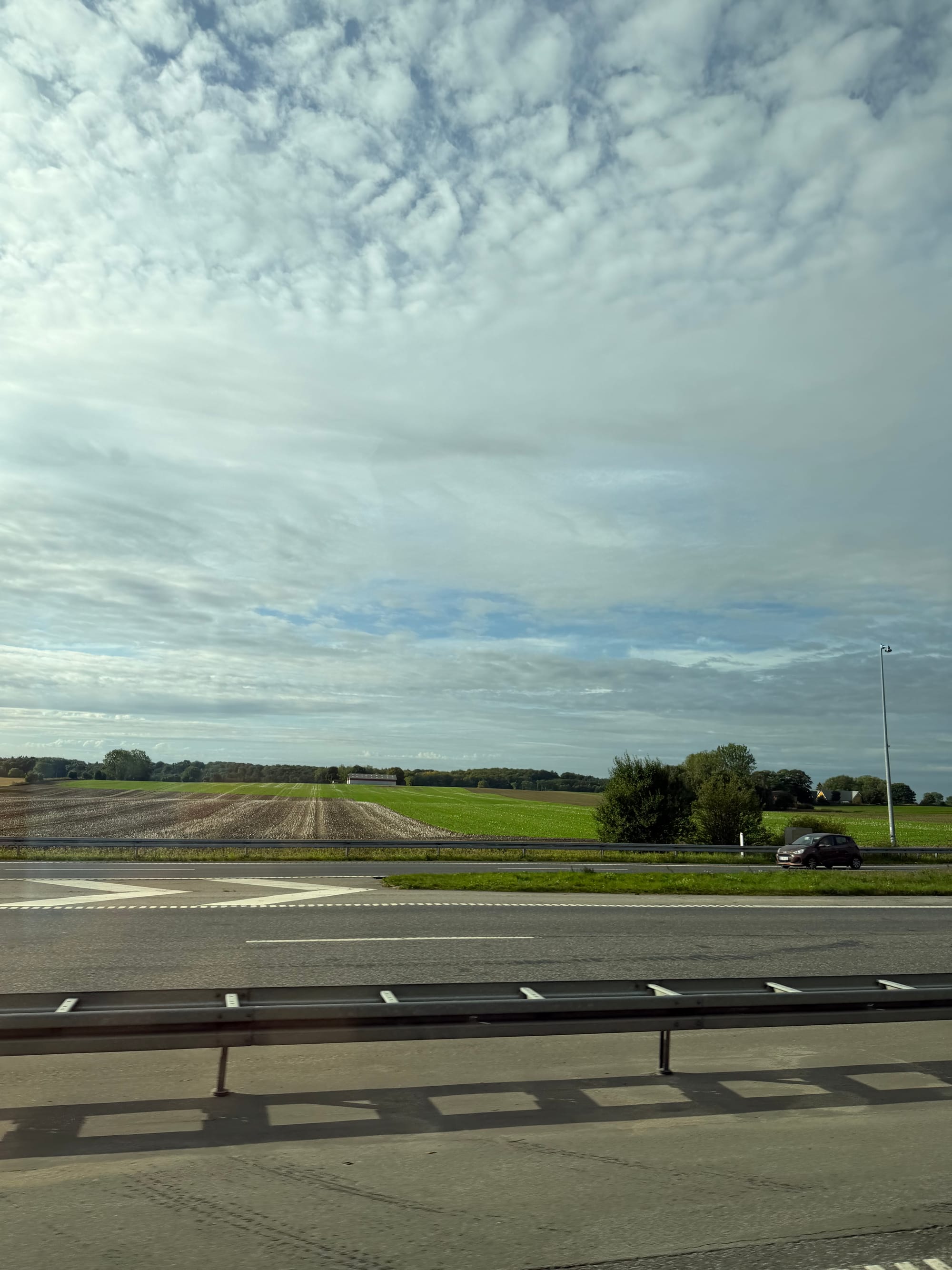
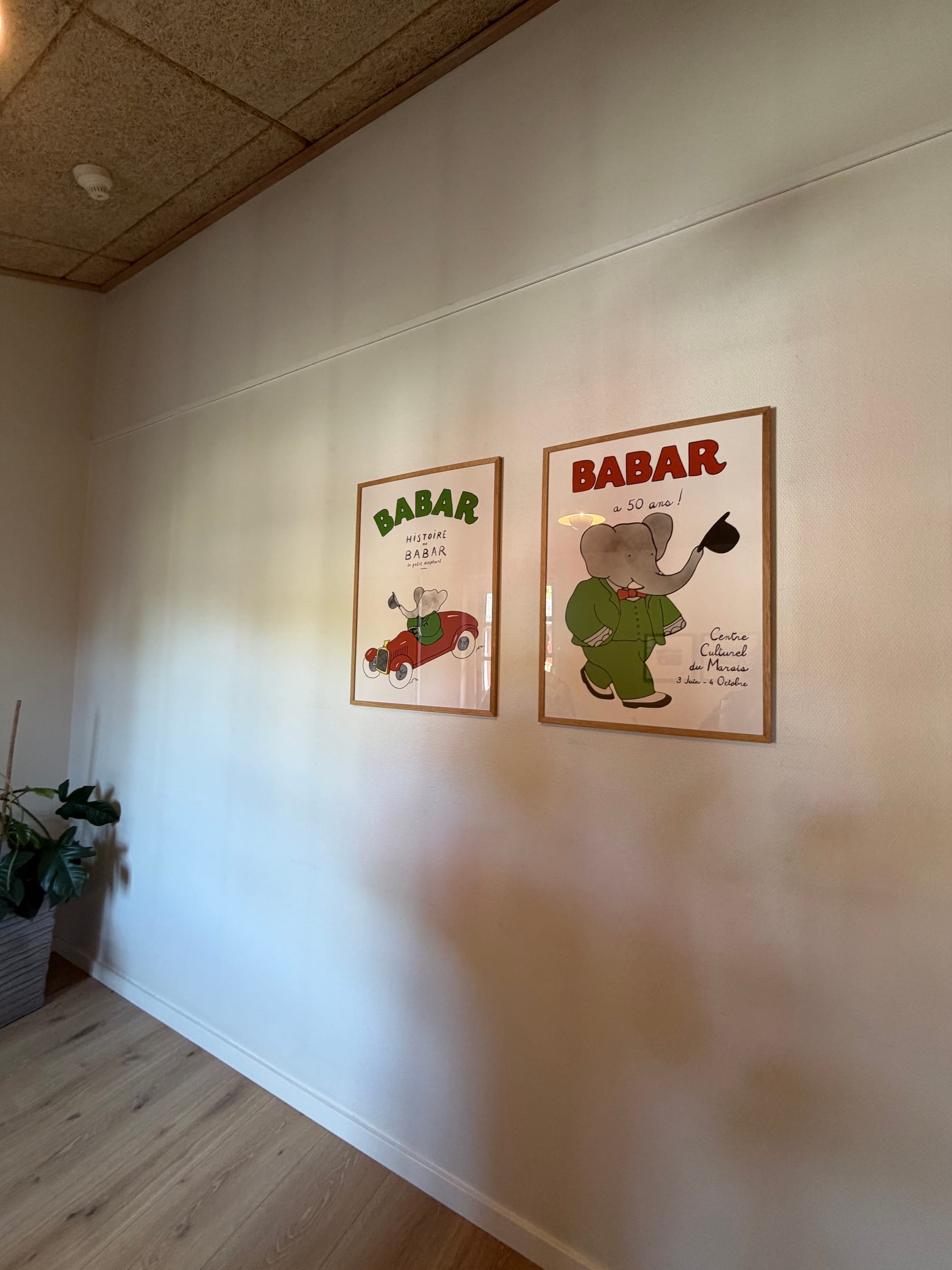
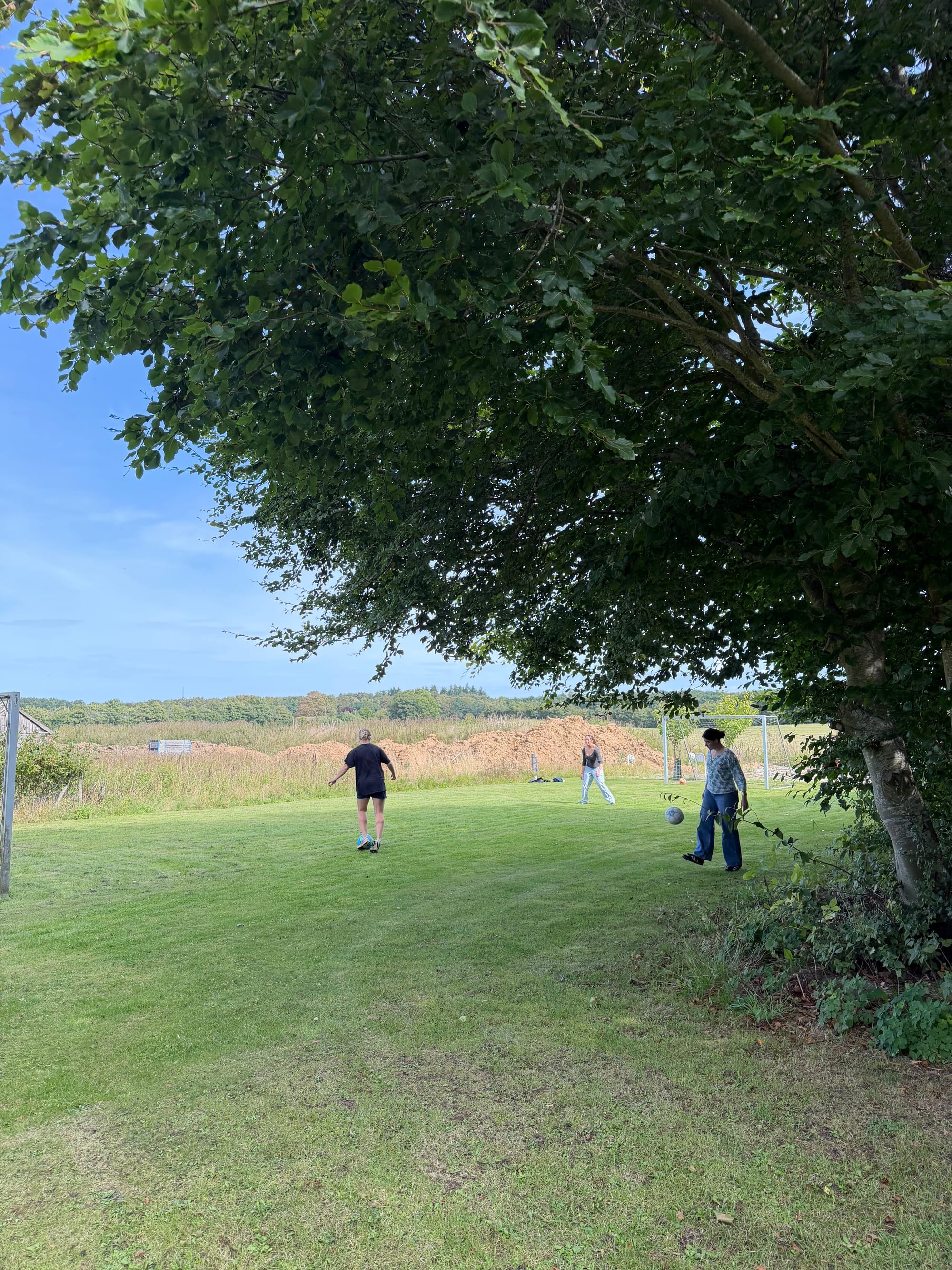
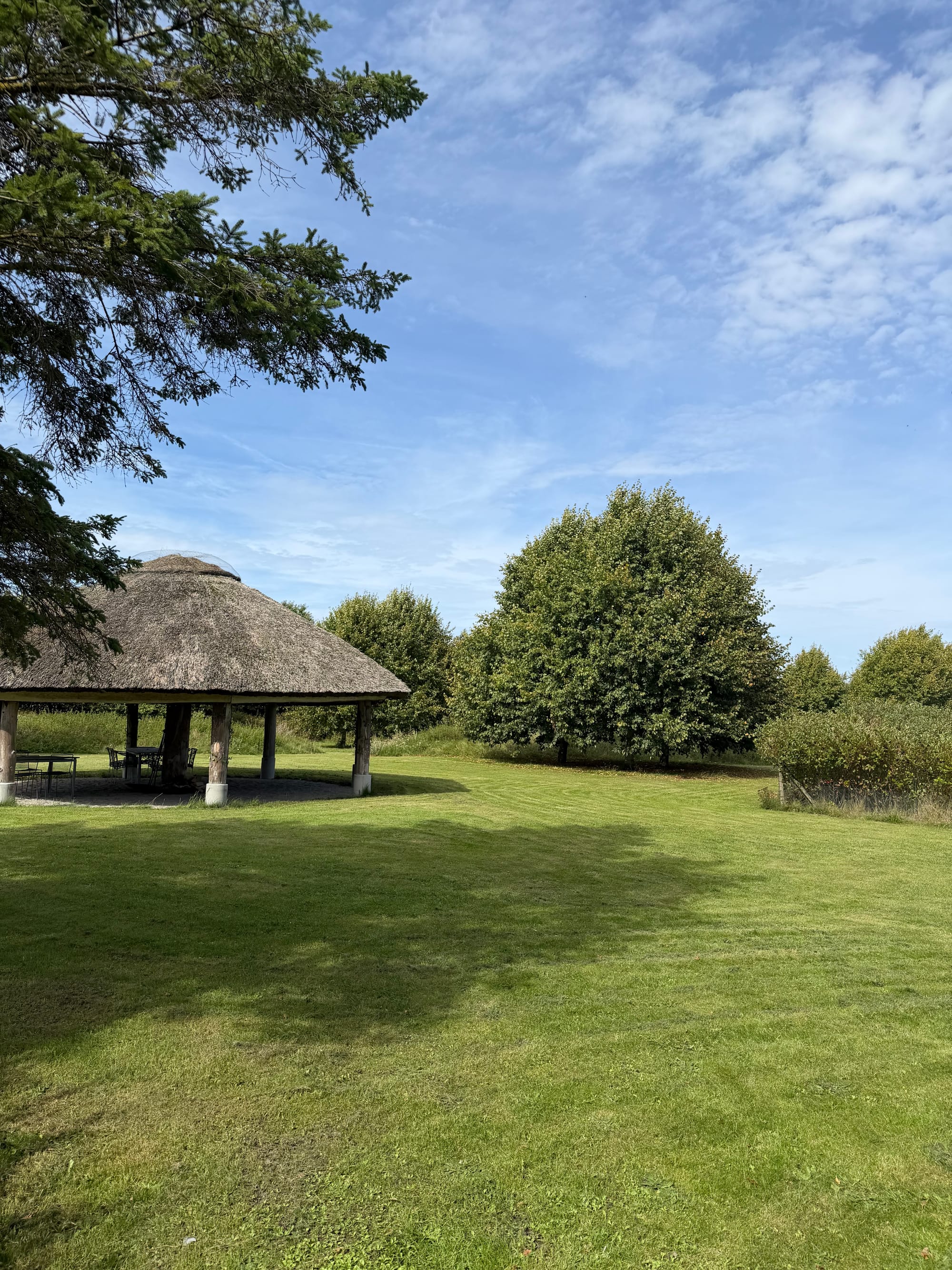
Middle of nowhere; Babar in hotel hallway; green space and more green space!
In case you're curious, local and national taxes fund the municipalities in Denmark, which are responsible for almost every type of care: daily home care, medication, nursing, rehabilitation and prevention, and supporting elders in keeping their dignity and autonomy. They work in tandem with families and communities, rather than laying all of the responsibility on families, which is typically the norm in the US. Municipalities also assess the needs of older adults, allocate services and resources, and manage budgets. Access is universal and local.
The presenter mentioned that there is a clear care gap in Denmark, just like in many other parts of the world. Not enough care for the amount of people that need it. She talked about preventative care that keeps the elderly moving, reducing the health problems that would arise in the first place. Her motto: Nobody is too old to exercise!
I learned that a woman's muscle mass is at peak function at age 19, and age 23 for men (I'm already declining yikes). That is, if I don't do anything about it. Without strength training, your muscle mass declines 0.3-0.8% per year starting at age 30, and declines 1-2% a year by age 65. Our presenter explained that the goal isn't for every single person above 50 to be a top-tier athlete, but rather to build enough strength to get out of a chair with no help, and carry a few grocery bags without trouble. Implementing simple strength training exercises for elders makes a huge difference, not only in preventative care, but also to maintain independence and a GOOD quality of life. (Jan, if you're reading this... promise me you'll keep moving!!! It's so good for you!) 😉
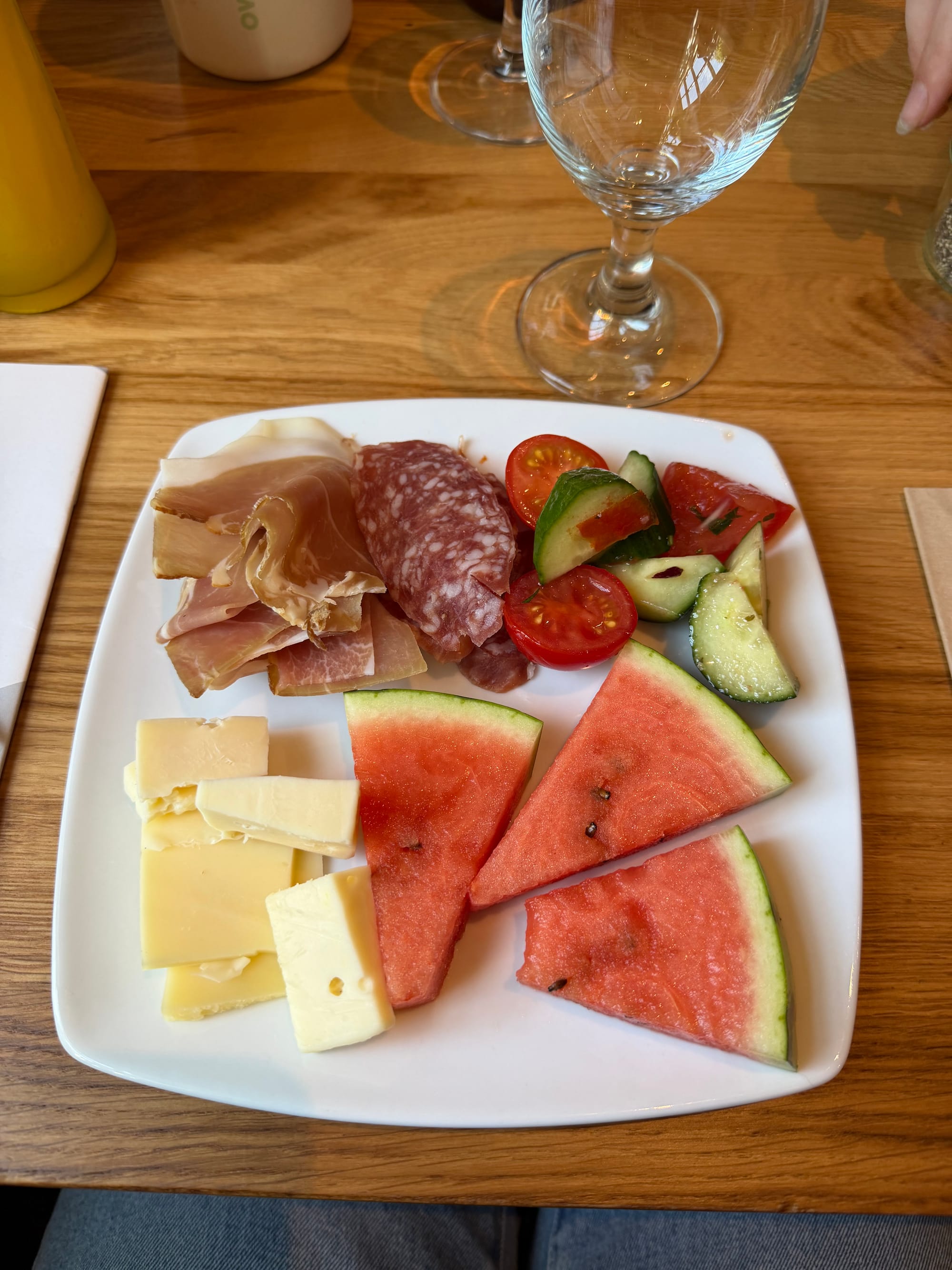
Enough health jargon for now... after that discussion, we meandered down to the lunch buffet. Lots of charcuterie, strange-looking salads, bread with mysterious seeds? Or nuts? Not sure. The labels were extremely vague and all in Danish (omg awesome). Good thing I like cheese!!
At this point, we got back on the bus and headed to Odense. It felt much more like a proper city than our first stop did, yet nothing like the bustling energy of Copenhagen. I'd consider our time in Odense cultural, rather than academic. We checked into the hotel, then visited the Hans Christian Andersen museum. If you've never heard of him, he's from Denmark and wrote the original versions of a bunch of famous fairy tales: The Little Mermaid, The Ugly Duckling, Thumbelina, etc. The museum was beautiful, and it was nice to wander at my own pace (if you know me, you know any sort of guided museum tour makes me sooo sleepy and bored)...
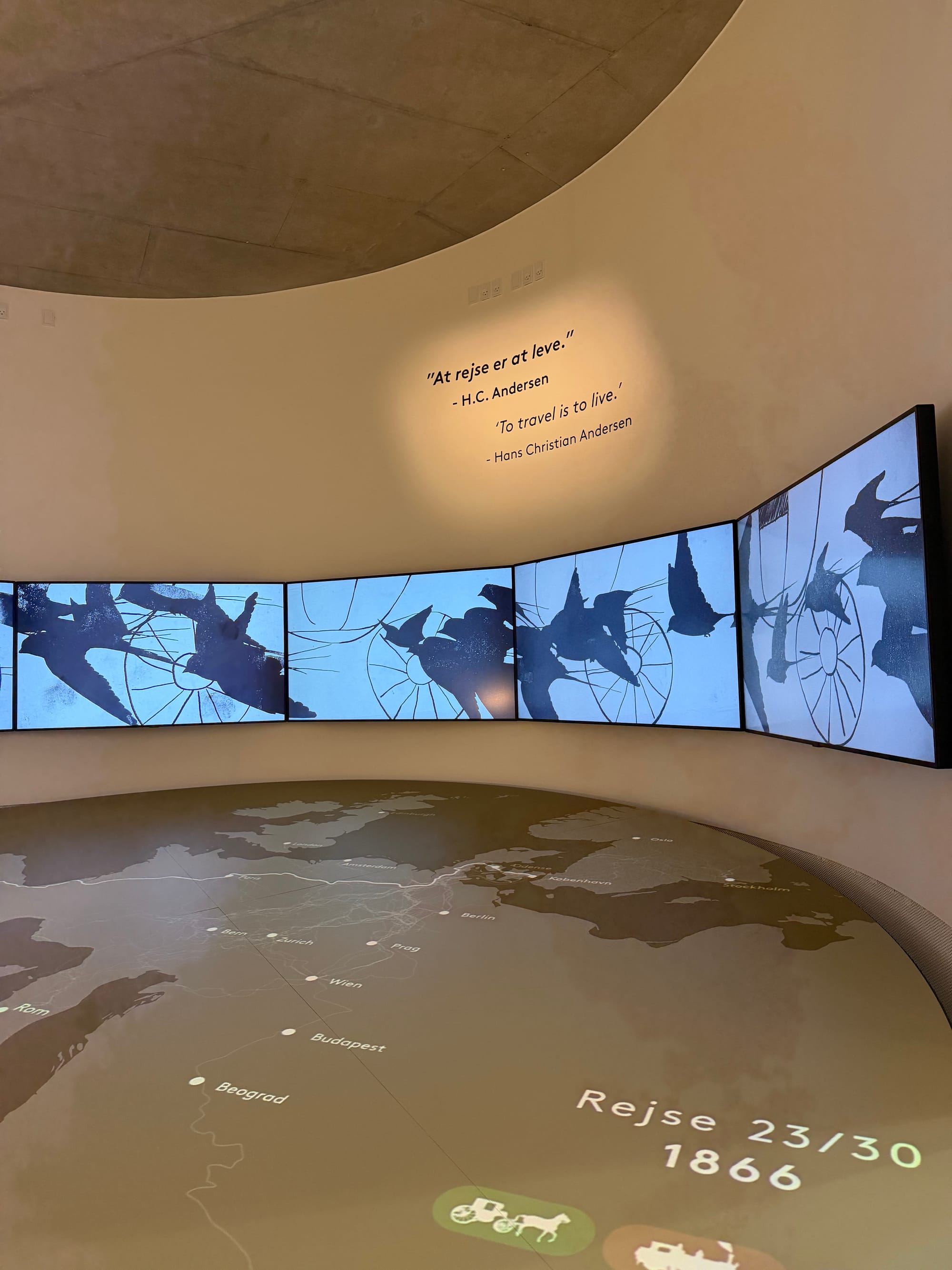
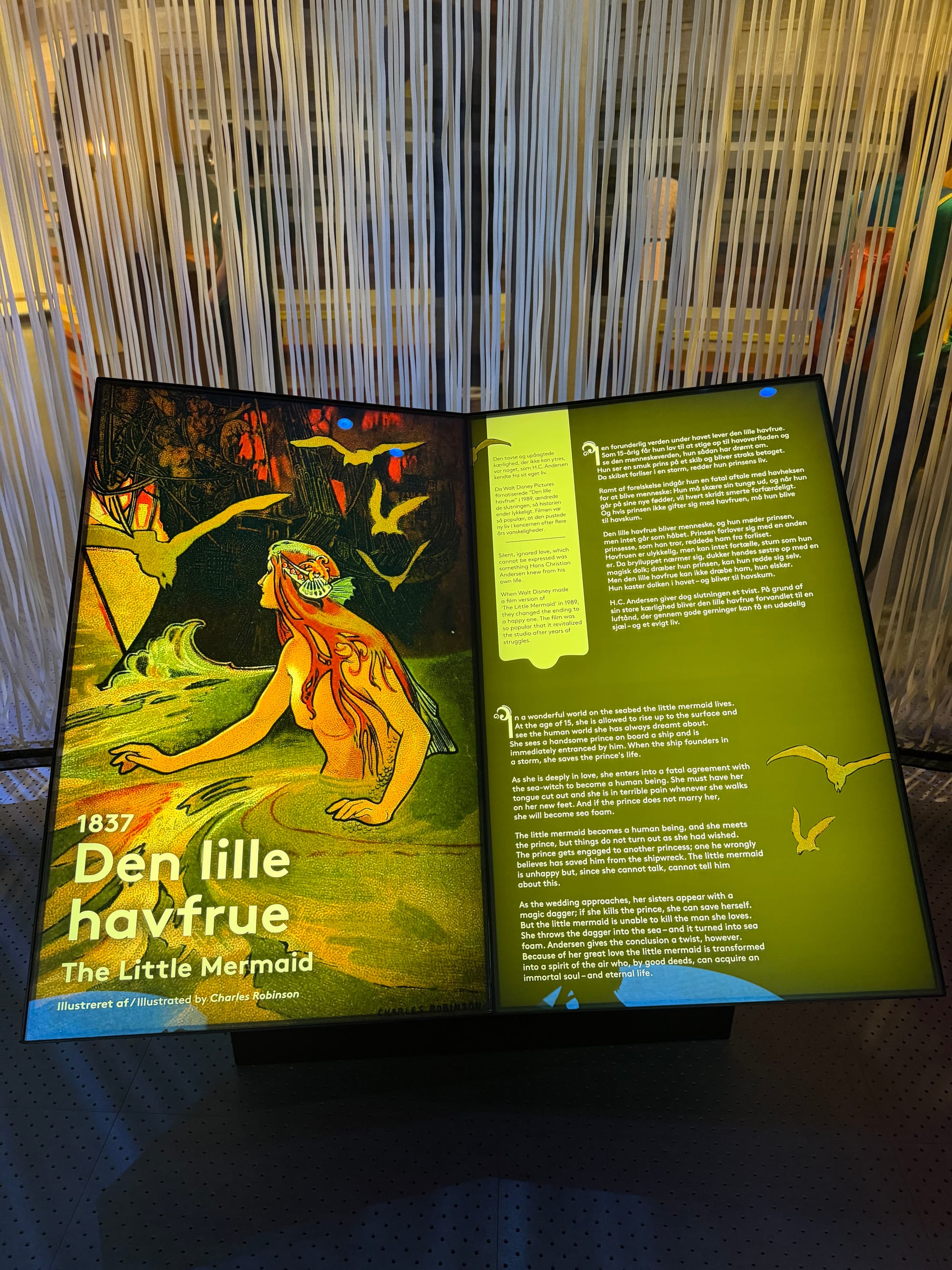
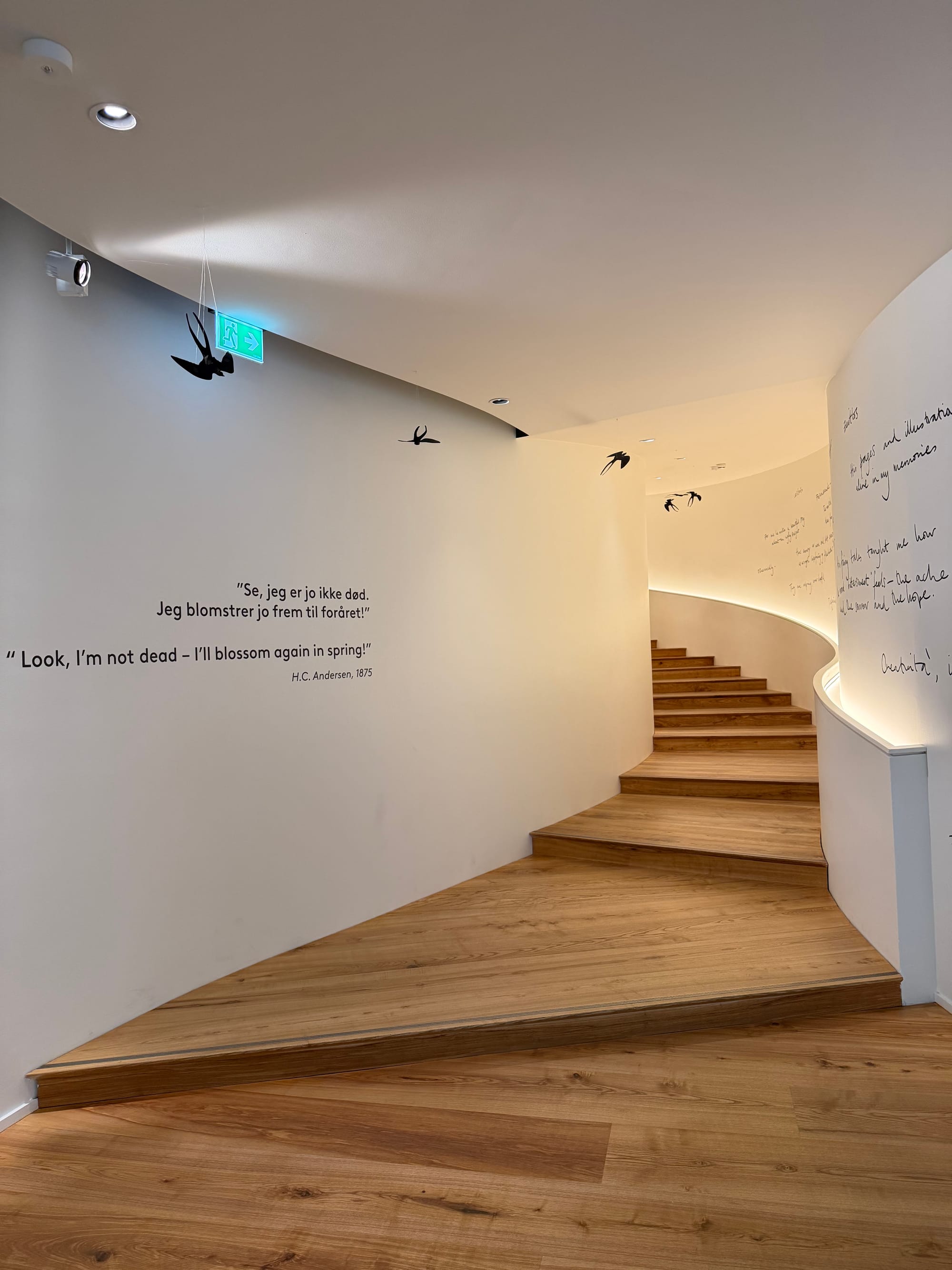
A few of my favorite spots
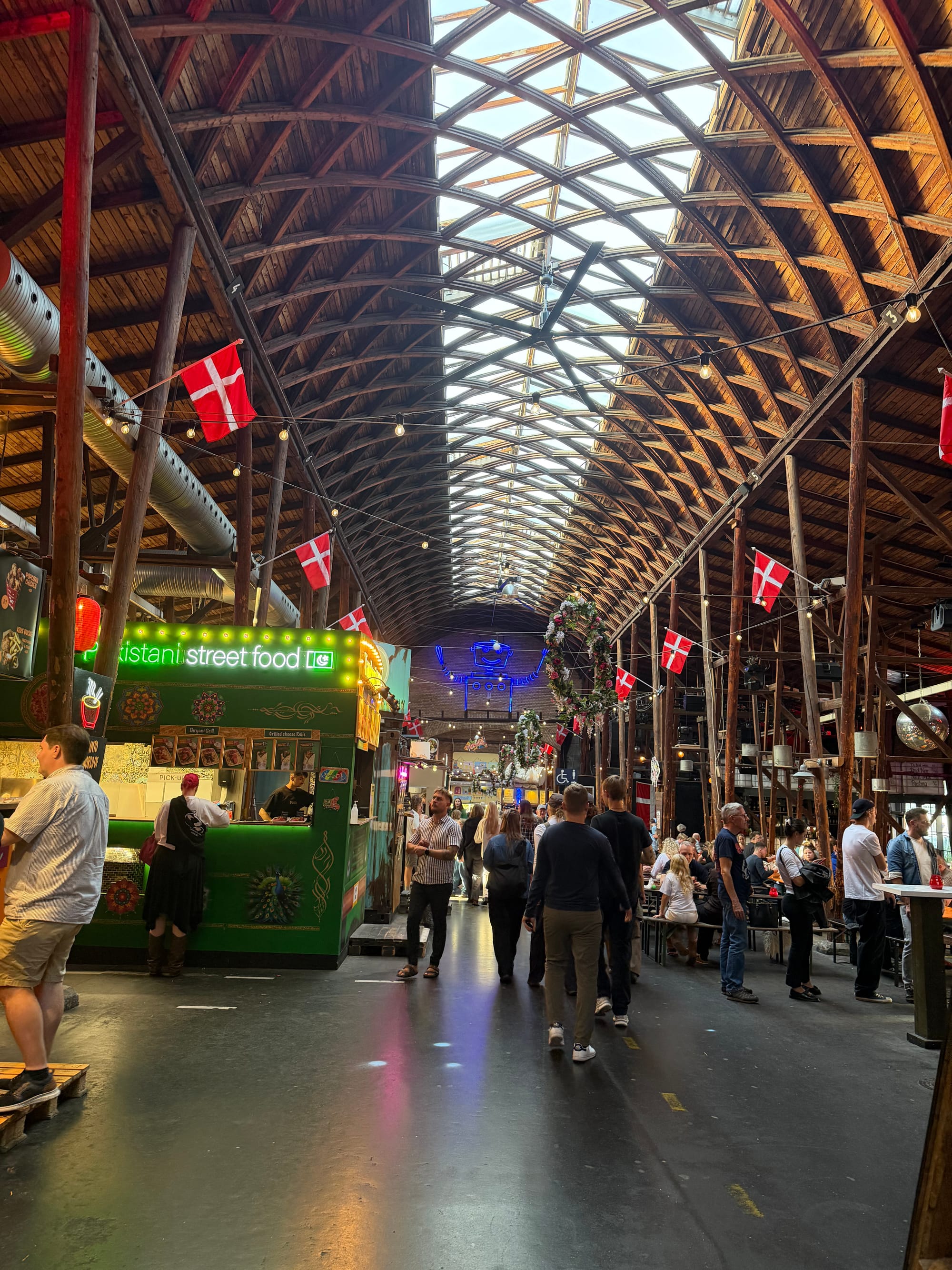
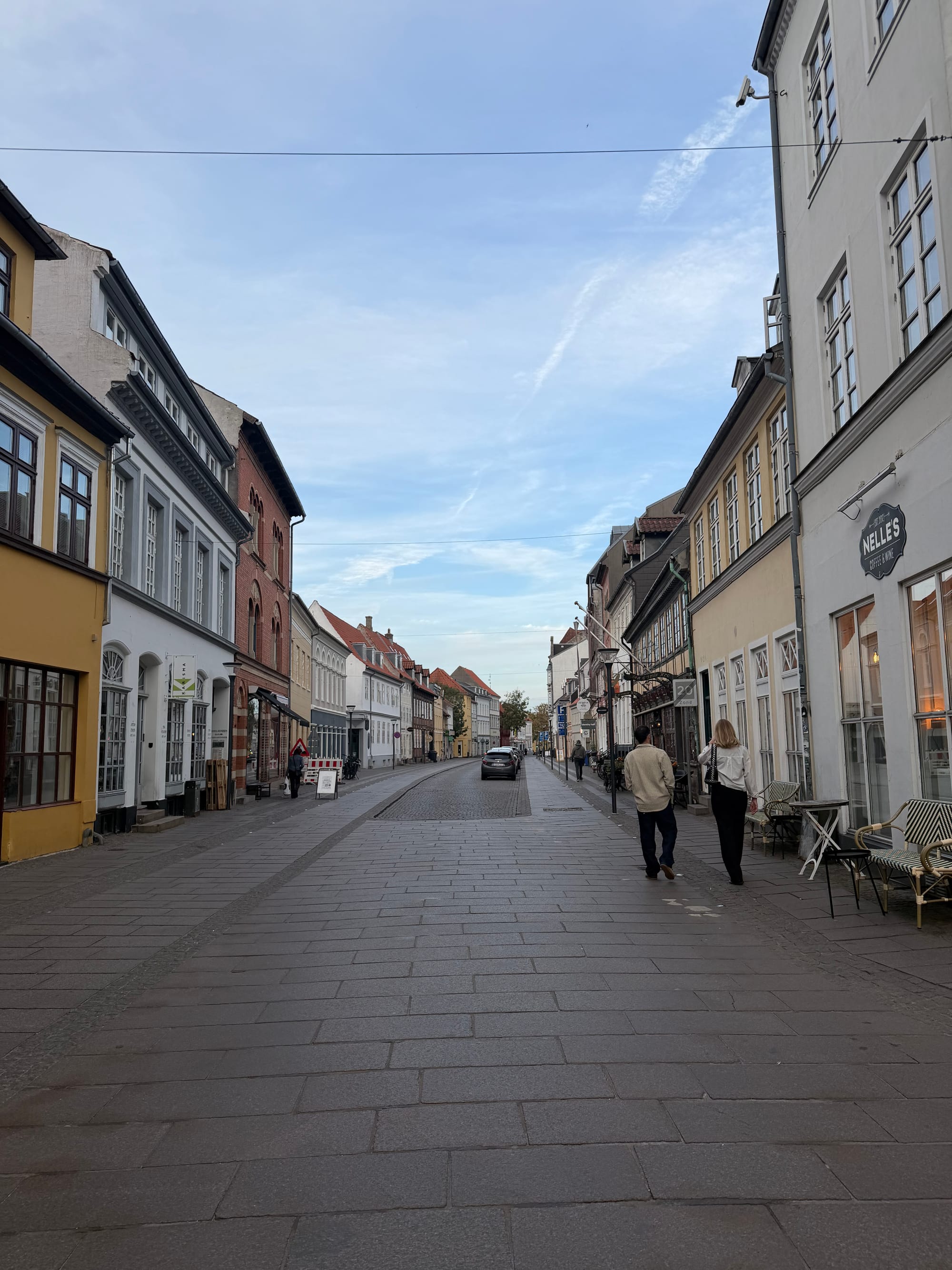
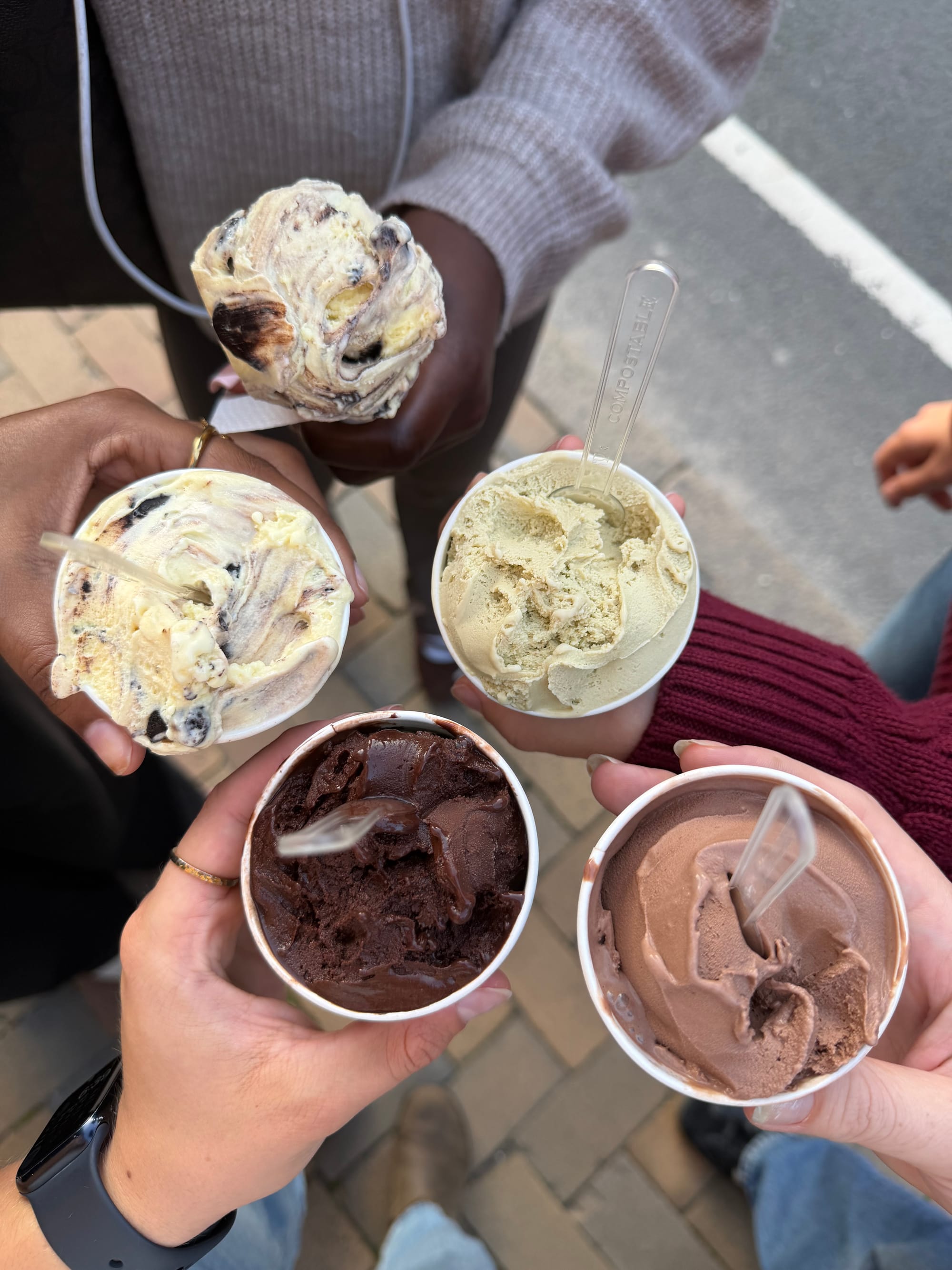
The rest of the night was left to our own desires. Not a lot happening in Odense (I know, shocking), but I met up with a few other classmates and we were able to find some street food and gelato–all I could ever need, pretty much. I didn't think much of it at the time, but looking back, it was a good chance to get to know some of the girls in my class better. Sitting at a picnic table eating dinner, we somehow figured out that all five of us have divorced parents. Maybe it should have felt uncomfortable to talk about, but instead, going around the table sharing each of our family stories actually made me feel more connected to people than I had in weeks. Nothing like trauma bonding. ❤️🔥
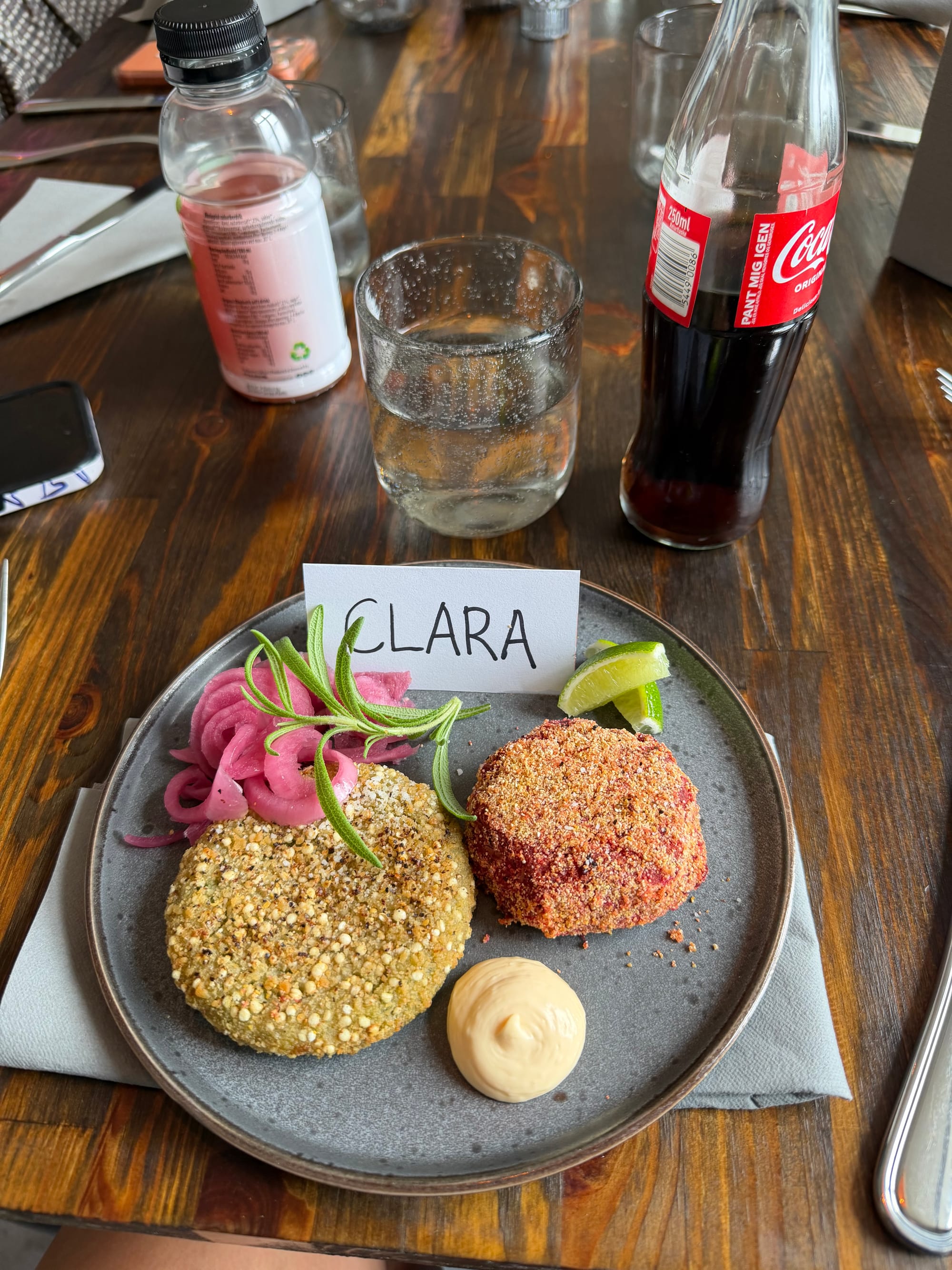
The next morning, we got back on the bus and headed to Horsens– a town even further west, sitting on the mainland of Europe. Our stops along the way included an old Danish prison that is now a museum, and another lunch buffet. This experience was not my favorite. The museum was cool, but our guide talked too much (and yep you guessed it, I did not love the slow walking-tour pace). My lunch was weird, I couldn't tell you what I ate. The labeled plate really singles me out, which I was laughing about, but the food was even funnier. Beet cake? Spinach cake? YUM WOW (P.S. I'm sorry if I sound ungrateful and sassy, I promise I was grateful and thrilled to be handed a plate with food, it was just one of those moments when I really wanted a steak or something 💔)
Anyways, we finally got to Horsens for our academic visit of the day: a visit to the regional ambulance hub. This was actually super cool– we talked to a team of paramedics and doctors, toured the facility and ambulances, and went over what pre-hospital care looks like in Denmark. I'll tell you a bit about it, but feel free to skim over if you're not interested.
In short, pre-hospital care in Denmark encompasses a lot more options than it does in the US. When someone calls 112 (Denmark's 911) and is determined to need an ambulance, six different kinds of vehicles could show up for you: a standard ambulance, a critical care unit (think ICU on wheels), a paramedic response vehicle, an out-of-hours doctor unit, HEMS transport (helicopter), or a Sociolance (which I think is AWESOME). There's all of these options so that resources are allocated more evenly and thoughtfully. The system places a lot of emphasis on thinking about how using certain medical resources impacts others, like a triage system. They also never have to worry about money when deciding what pre-hospital care to send, because access is universal.
I told the paramedic about the time I was in an ambulance for anaphylaxis, and how they didn't turn on the lights or sirens, or even run a red light, probably because it would cost me more money. The paramedic kind of laughed and said "yeah, we don't worry about that in Denmark. If someone needs the lights on, we turn them on. We're not thinking about money." Definitely an interesting comparison.
The paramedics asked our class what each of our dream public health jobs would be. That was such a hard question to answer, because I don't even think I know. My thought process? In a perfect world, I could combine patient advocacy, health administration, anaphylaxis treatment/access/advocacy, and health education for girls. Somehow, I'd want to work at the intersection of the nonprofit sector, while still having the job security of government or industry—but without actually working for a profit-based company, like big pharma. If this sounds confusing to you, don't worry, you're not alone. I'm confused too.
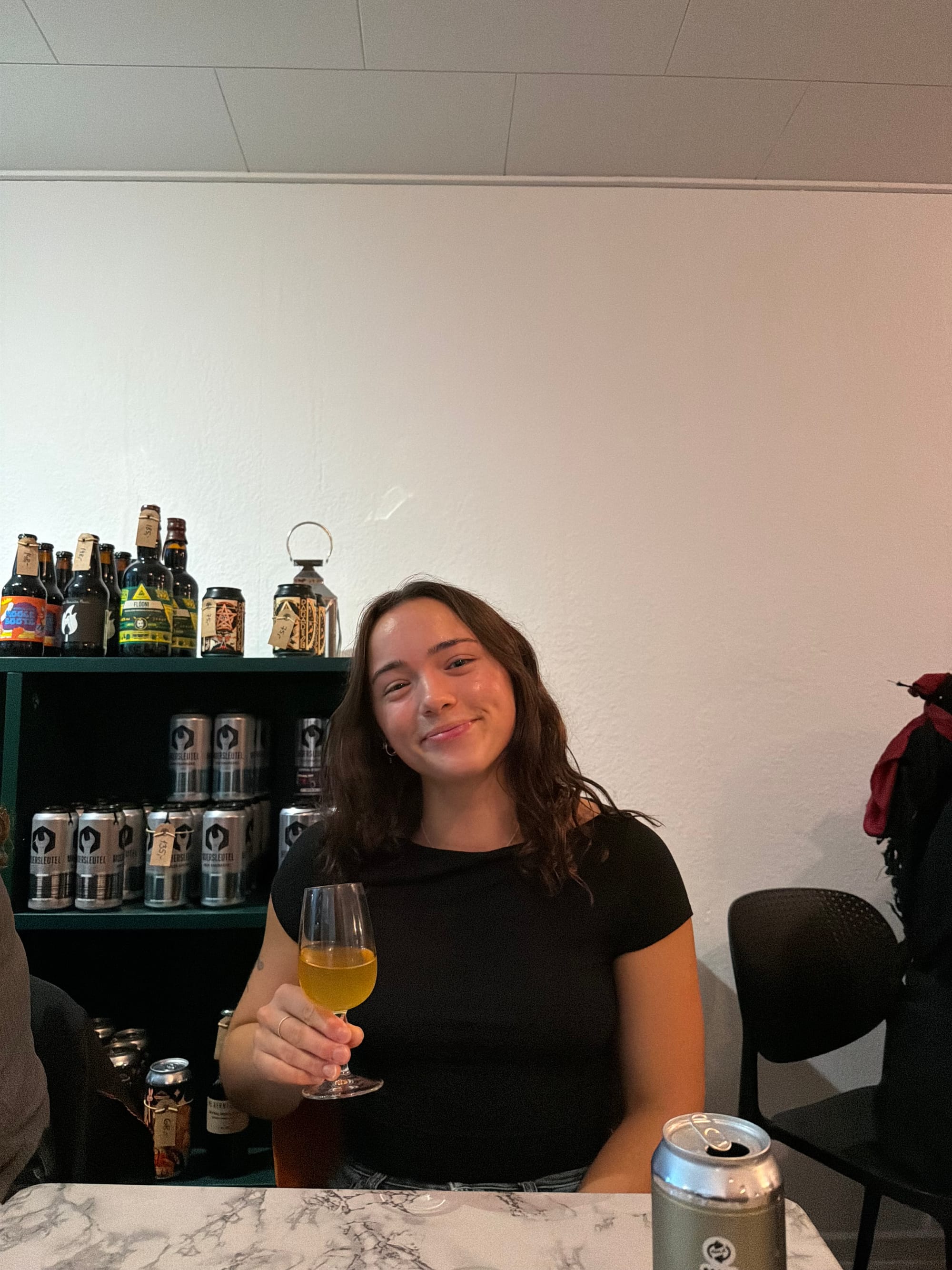
Class-sponsored beer tasting to end the night, then we were back on the road to Odense and Copenhagen the next day. We were supposed to meet with a general practitioner, but they happened to cancel. Our professors' solution? A class trip to GoMonkey... not exactly the most studious experience, but hey I will NEVER in a million years say no to zip lining (obviously have you met me)! One last weird-looking Danish lunch, and I was finally home sweet home a few hours later.
Fun fact–they actually made me sit at a separate lunch table to eat this meal, with the other students with dietary restrictions, isolated from the "normal" eaters...Isn't that insane? Like who does that?!
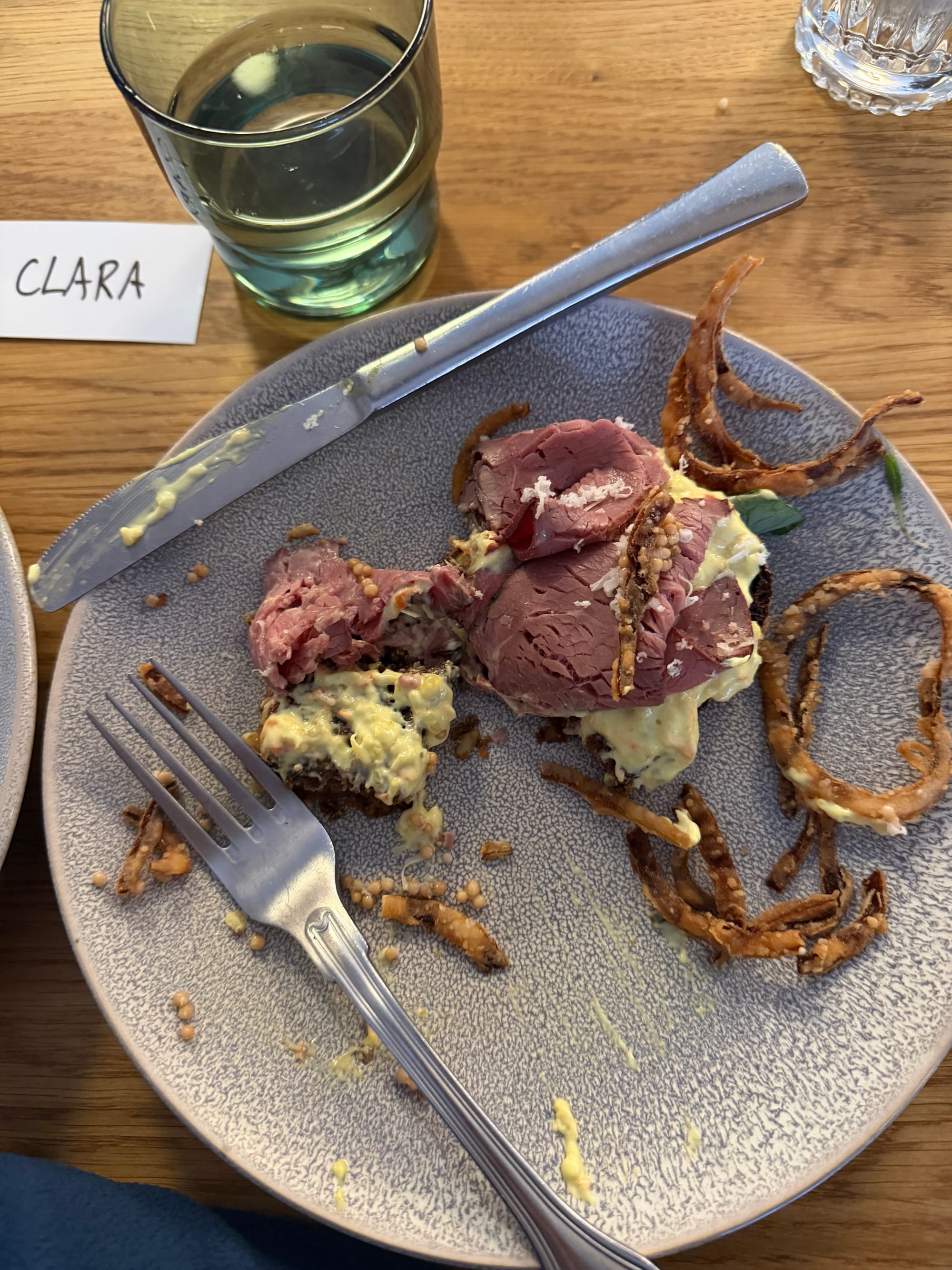
You could say that I was happy to sleep in my own bed that night, and eat some normal food :)
I know this was a long one, but if you've read this far, I hope you found it interesting or funny or useful or at least one of the above.
More public health content coming your way! Get ready nerds 🤓
Clara